England’s coastline is one of our greatest natural treasures, home to thriving habitats, rich cultural heritage, and communities that depend on it for identity and wellbeing. But it’s also under pressure from climate change, development, and fragmented stewardship. Coastal Wildbelt, a national initiative incubated by National Trails UK through the Protected Landscapes Partnership, aims to change that.
We sat down with Kate Jury, Coastal Wildbelt Programme Manager, to answer some key questions about what this ambitious project means for people, nature, and the future of our coast.
Q: What is Coastal Wildbelt and why does it matter?
Coastal Wildbelt is a national voice proudly championing both nature and the people who share England’s coastline, pushing for a truly joined-up, impact-led approach where thriving habitats and thriving lives carry equal weight.
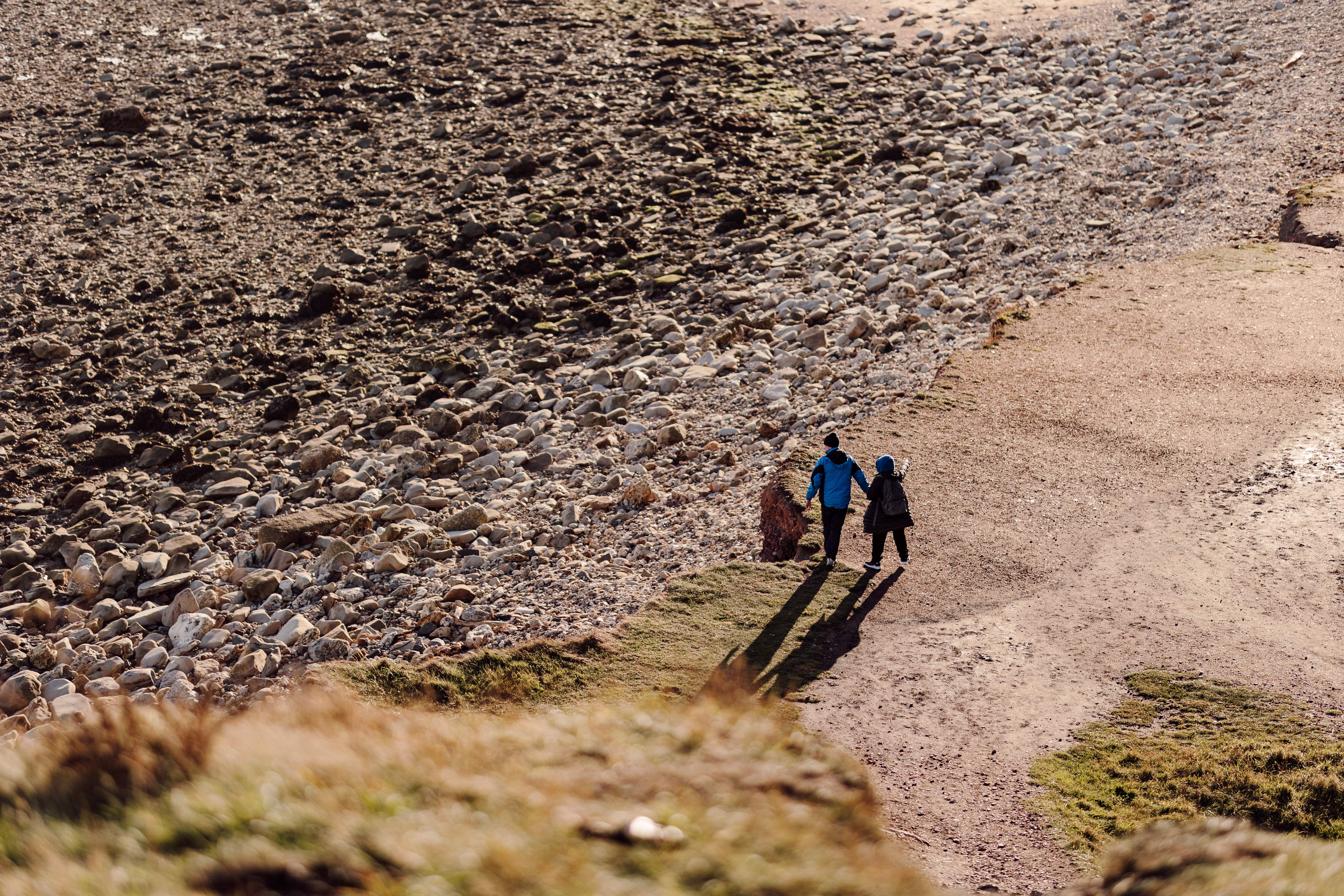
At the heart of our work is a simple belief: people and nature are deeply intertwined. We want everyone to experience the coast not just as a beautiful backdrop, but as a place for joy, creativity, heritage, work, and wellbeing. And we know that these rich, meaningful experiences can go hand-in-hand with healthy ecosystems and vibrant coastal communities. When we nurture both, the whole coastline flourishes.
With thanks to Defra through funding the Protected Landscapes Partnership, and hosted by National Trails UK, we exist to unlock the potential of the land that stretches around our coastline, linking our King Charles III England Coast Path, with the land down to the sea at low tide, and the spaces beyond.
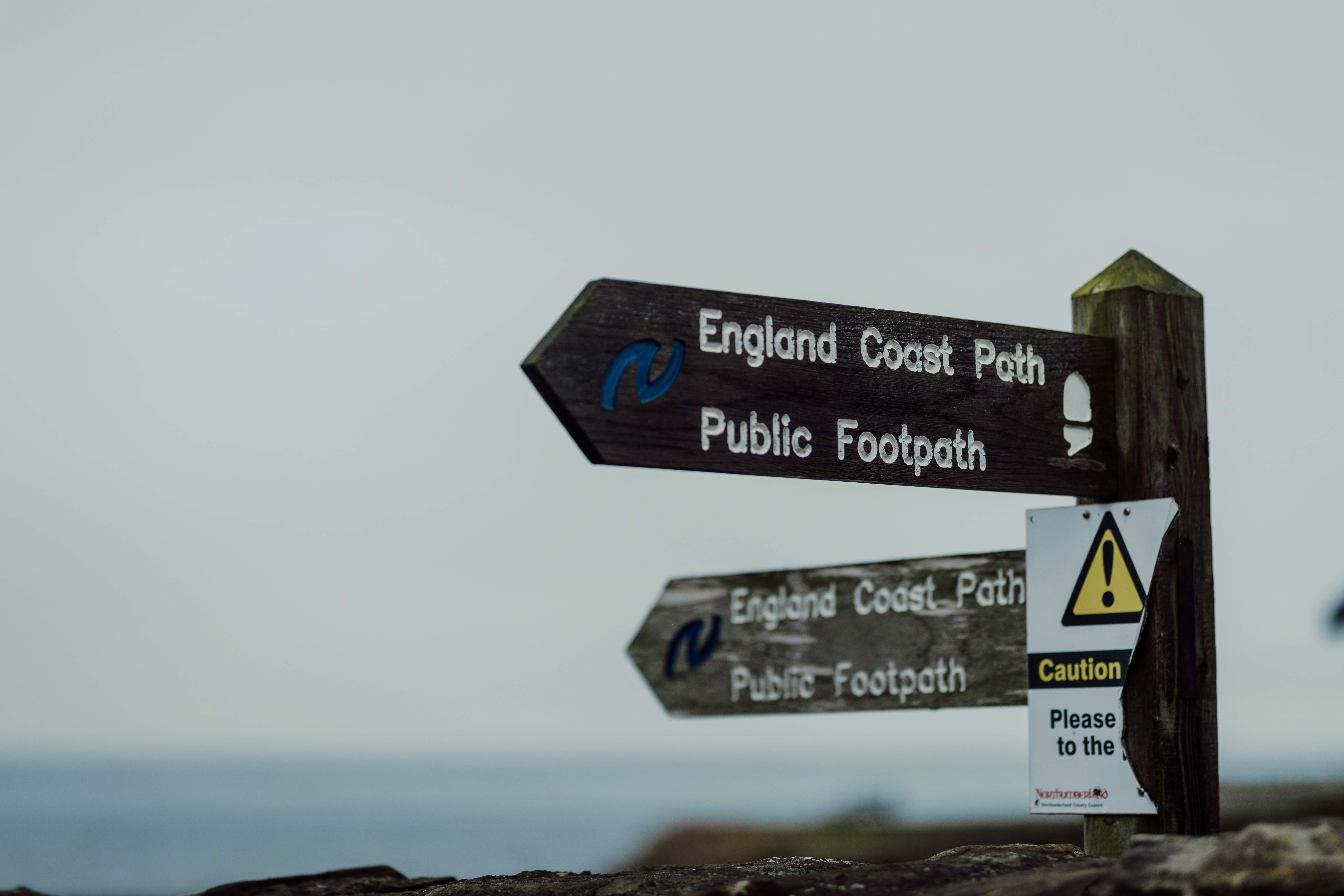
At an incredible 2,700 miles, the King Charles III England Coast Path is set to become the longest managed coastal walking route in the world. Unique to the King Charles III England Coast Path, its designated coastal margin spanning from the trail to the mean low-water mark, covers 943 square miles. That’s an area larger than the Lake District National Park.
But the coastal margin is so much more than a geographical asset. It serves as a critical link across England’s protected landscapes and priority coastal habitats, with 86.5% of its area having the potential to contribute to England’s 30×30 conservation goal - aiming to protect 30% of land for nature by 2030. In fact, this represents 1.6% of England’s total land area, making it a cornerstone of national efforts to support biodiversity and combat climate challenges.
Moreover, almost 1 in 5 people in England live within 5km of the coastal margin. Though we know access to and engagement with our coastal spaces is unequal and inequitable, the potential to use Coastal Wildbelt to deliver improvements to access and inclusion along our coast is huge.
Q: How did the idea come about?
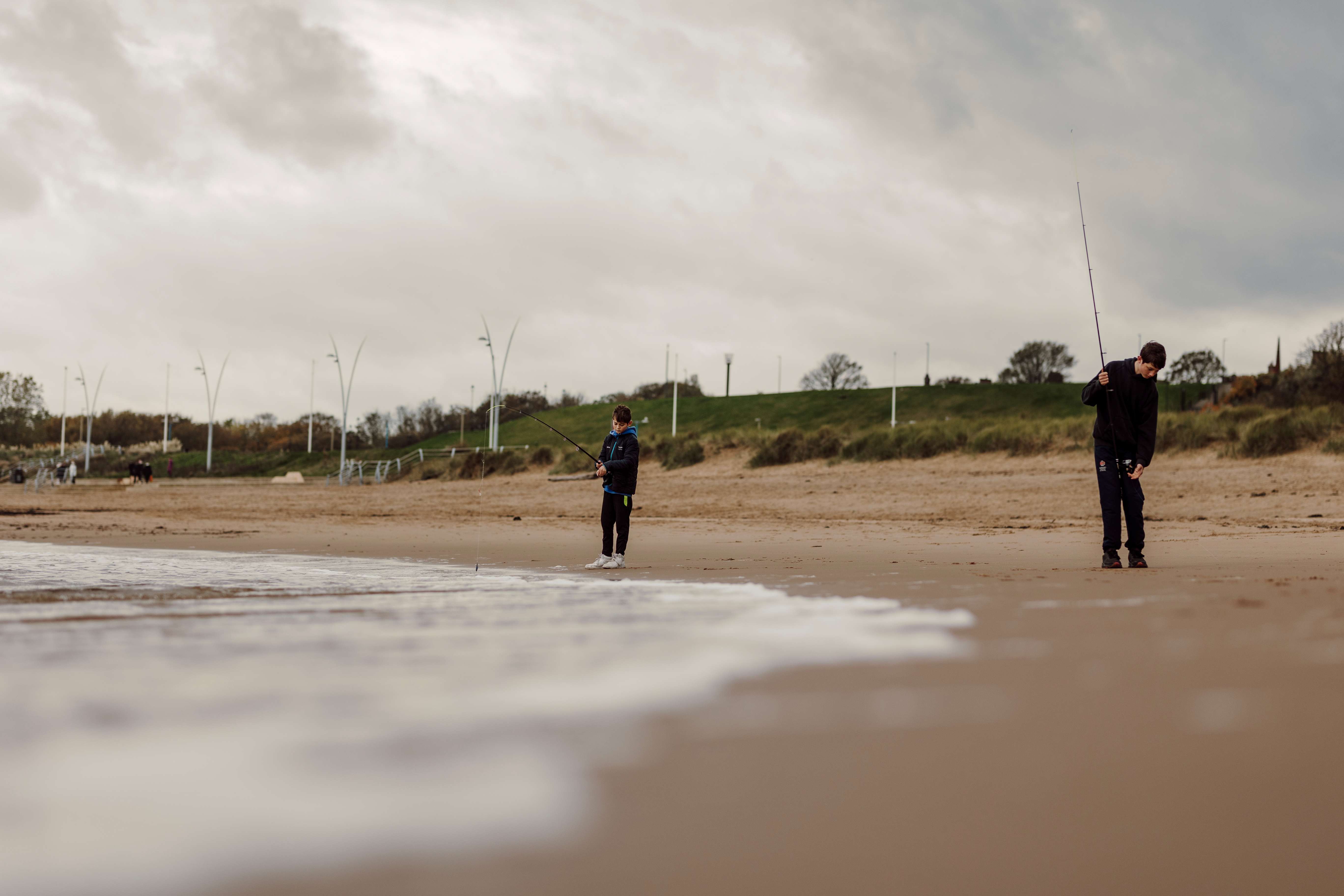
Alongside the coastal path, the Marine and Coastal Access Act 2009 required the creation of the coastal margin – an area generally described as between two metres inland of the route of the coastal path to the seaward foreshore. By default, the coastal margin is ‘open access land’, which means that people have the right to walk and explore this stretch of land freely. A few categories of land are however exempt from coastal access rights even where the land falls within the coastal margin. Coastal margin is marked with a unique magenta wash on Ordnance Survey Maps and the fact that such exceptions exist is explained in the Legend.
With these exceptions and subject to any local exclusions, the creation of the coastal margin introduces a new right of access to the public. Taken together, the creation of the coastal margin and the coastal path offer an exceptional opportunity for people to enjoy and engage with landscapes and nature around the coast of England.
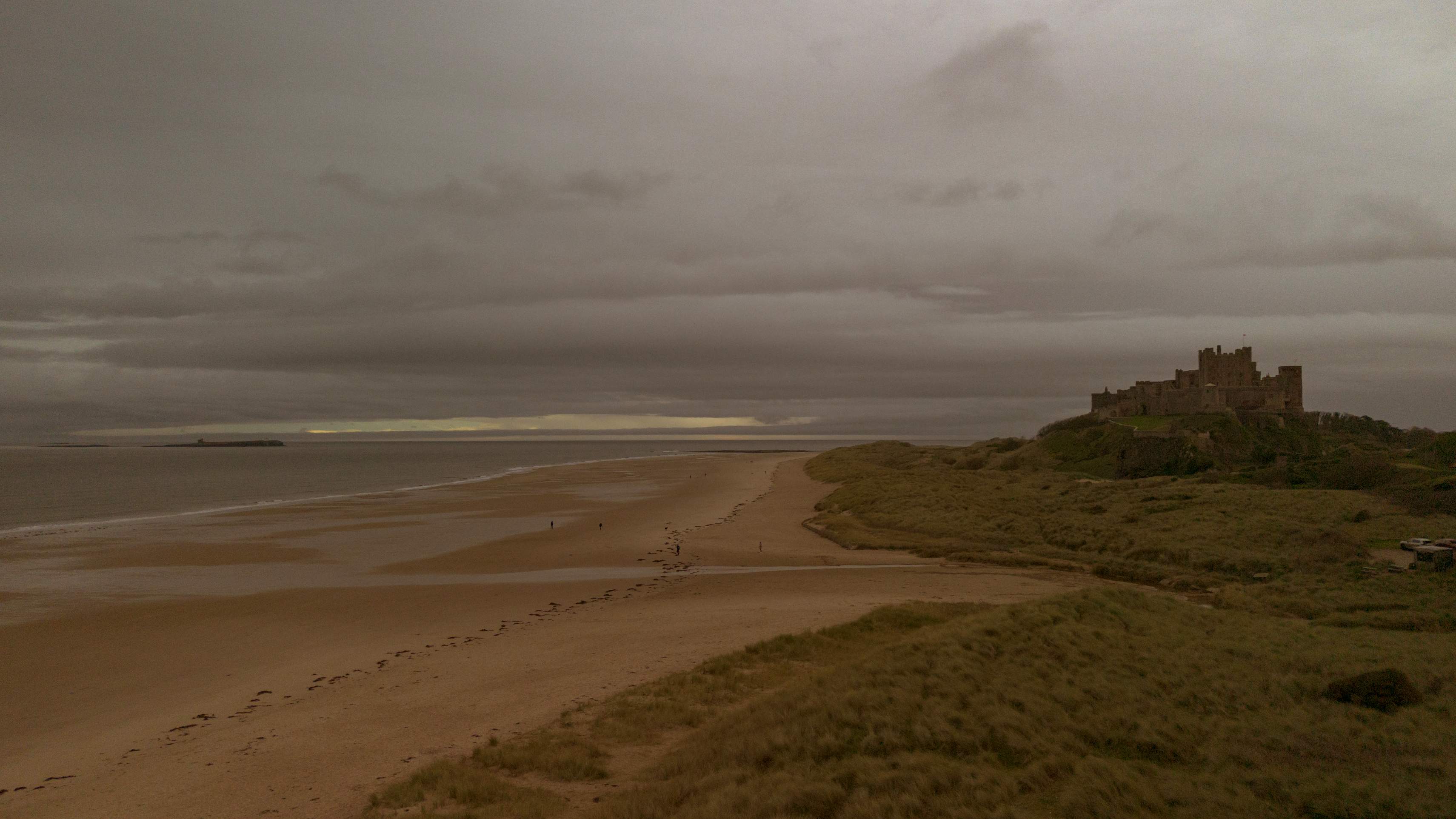
Stakeholders in the South West, including the South West Coast Path Association and National Trust, led the way in thinking there could be a potential for both people and nature with the lesser-known designated coastal margin.
With thanks to Defra, with funding through the Protected Landscapes Partnership, National Trails UK were able to host the first co-ordinating role to bring stakeholders and experts to understand the scale of the opportunity and challenges.
During our scoping year (2024–25), we found a clear need for a national initiative that acts as an enabler and connector, not a delivery body - sharing best practice, influencing policy, and helping partners deliver more for people and nature.
Q: Who do you want to be working with?
Collaboration is at the heart of Coastal Wildbelt. We want to work with our Protected Landscapes, local authorities, landowners, NGOs like Wildlife Trusts and RSPB, and community groups to name a few. We’re also keen to engage with businesses, funders, and research institutions. The coast is complex, no single organisation can tackle its challenges alone. By convening expertise and building partnerships, we can create a joined-up approach that delivers real impact for nature and people.
Q: What do you hope Coastal Wildbelt will deliver, and what will its impact be?
Our vision is for a coast where nature thrives and communities flourish. Where people feel connected, the landscape is celebrated, and anyone can enjoy its beauty, culture, and opportunities.
Our role is to support those who deliver for people and nature at the coast to be able to deliver more, in more places with more impact.
We support:
• Nature recovery at scale - protecting and restoring habitats across the coastal margin
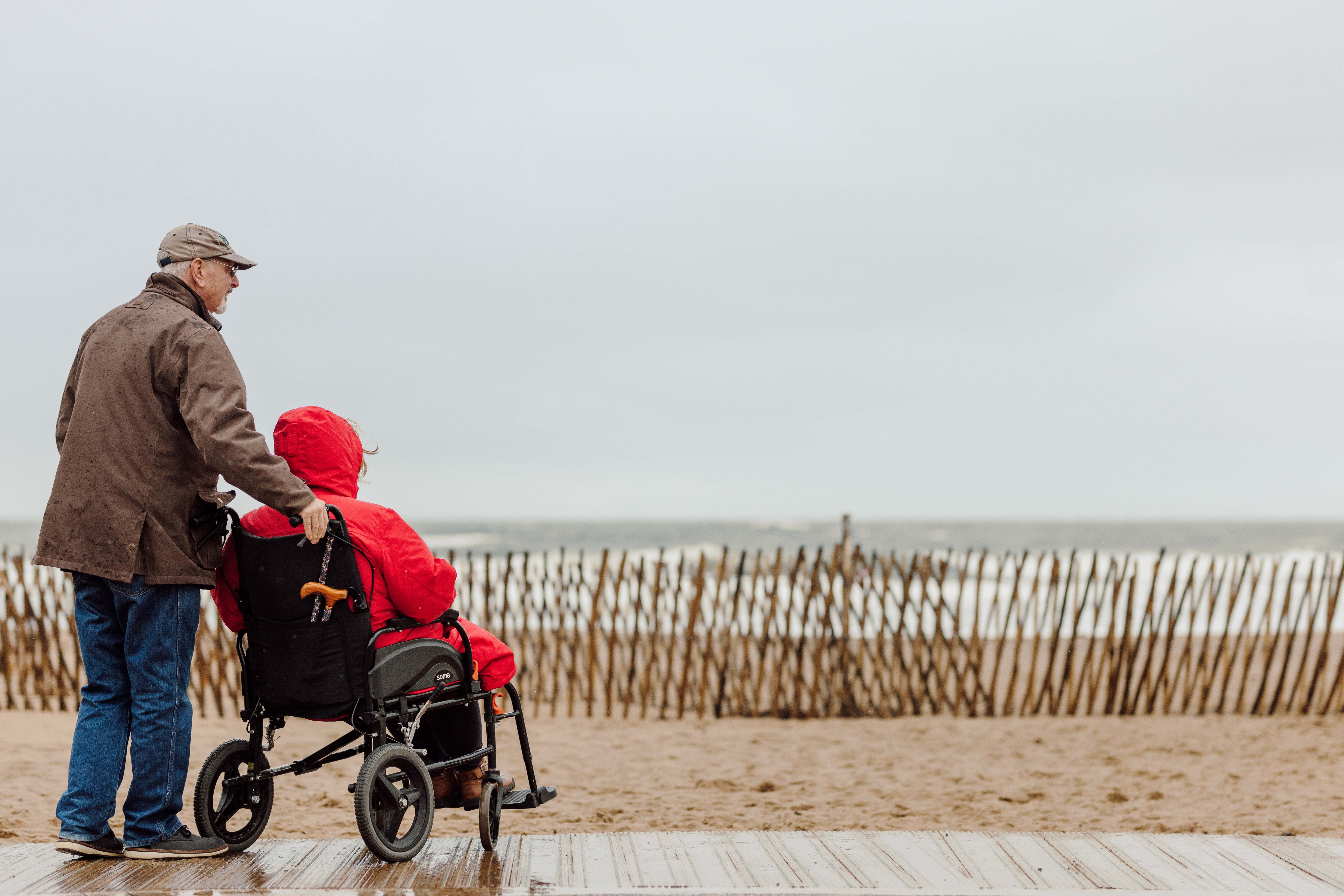
• Inclusive access - ensuring everyone can enjoy and benefit from the coast
• Cultural and heritage celebration - connecting people to the stories and identity of our coastline
• Climate resilience - strengthening coastal ecosystems to protect communities from flooding and erosion
The impact? A healthier, more resilient coast that supports biodiversity, wellbeing, and local economies.
With the right investment in local projects, shared learning, and national collaboration, the coast can become a celebrated space of even greater significance, where nature thrives, people feel good, and communities grow stronger.
Q: You’ve carried out a scoping year in 2025. What did you learn?
Three big things:
• Need and ambition: There’s strong appetite across sectors for a unifying concept like Coastal Wildbelt.
• People and Nature Together: We have a unique opportunity to support coastal stakeholders to value both equally, championing coordination and finding balance
• Growing Ownership: Partnerships work, and growing ownership of Coastal Wildbelt to embed and share best practice within structures will be pivotal for its success
Q: What are the biggest challenges facing Coastal Wildbelt?
Funding and capacity are key. Government grants are short-term and unpredictable, so we need a sustainable funding model. Another challenge is clarity. Coastal Wildbelt isn’t a delivery body, but a champion and convener. We also need to raise awareness of the coastal margin, which many people don’t understand, and build visibility for the initiative.
Q: What’s next for Coastal Wildbelt?
We’ve got an exciting roadmap for 2026:
• Establish Coastal Wildbelt governance for long-term sustainability
• Build an online presence, website, social media, and a quarterly newsletter
• Expand our ‘Test and Trial’ small grants scheme to support innovation and best practice
• Develop a robust impact framework and influencing strategy
• Grow stakeholder engagement beyond pilot areas and explore cross-border opportunities with the Welsh Coast Path
Ultimately, we want Coastal Wildbelt to be a national voice and knowledge hub, helping partners deliver more for people and nature along the coast.
Q: Looking ahead 50 years, what do you hope Coastal Wildbelt will have achieved, and how will England’s coastline be different as a result?
In 50 years, I hope Coastal Wildbelt will have helped create a coastline that is healthier, more resilient, and more inclusive than ever before. That means:
• Thriving ecosystems with restored habitats supporting biodiversity and acting as natural climate buffers
• Connected communities where people feel a deep sense of belonging and pride in their coastal landscapes
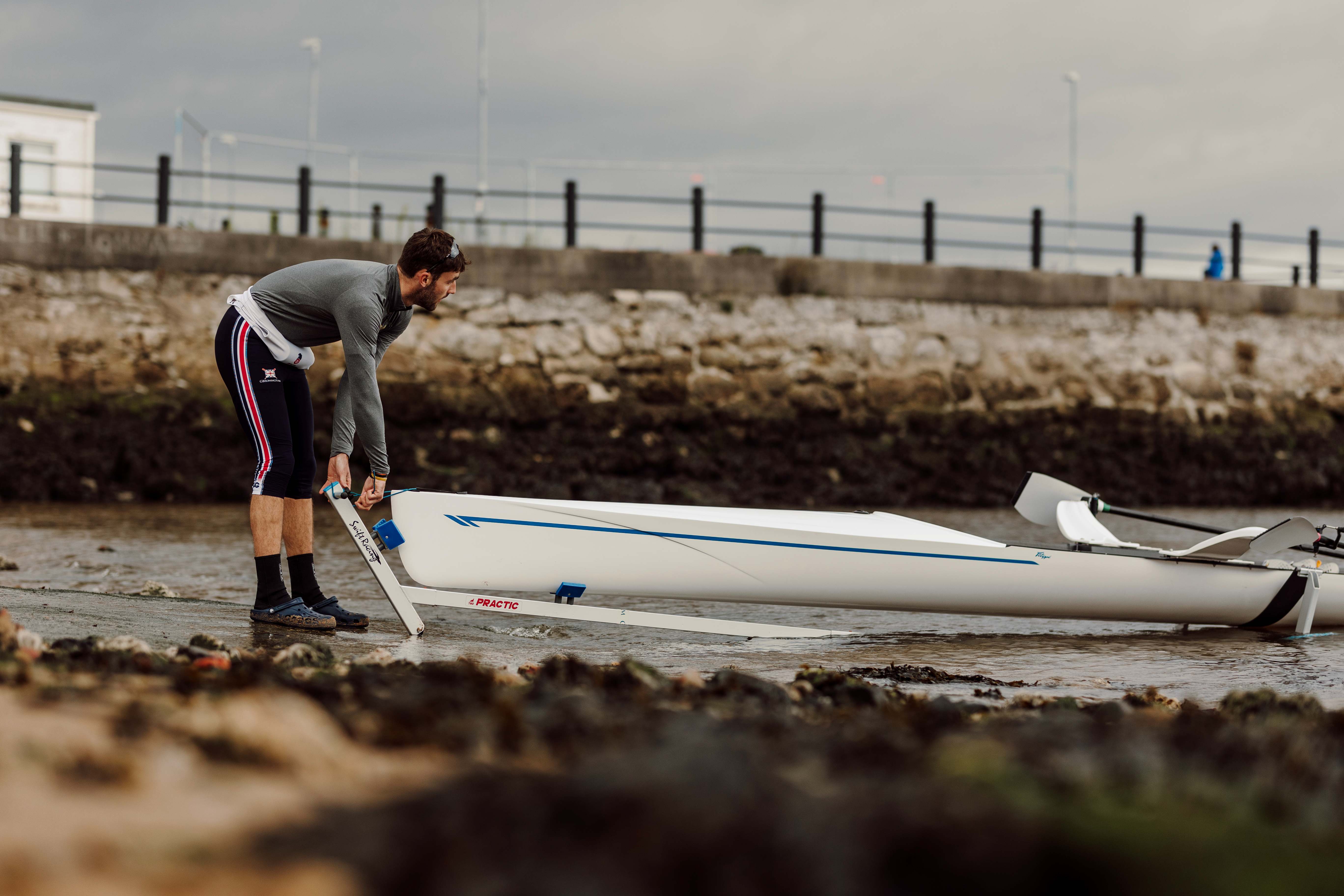
• Joyful experiences where everyone can enjoy the coast without compromising nature
• Cultural celebration where heritage and creativity are woven into how we experience the coast
If we succeed, the coastline won’t just look different, it will function differently. It will be a living network of nature recovery corridors, a place where climate resilience is built into every decision, and where people and nature thrive together. Coastal Wildbelt will have become a national voice and trusted partner, shaping policy, unlocking funding, and inspiring generations to cherish and protect the coast.
Q: How can people and organisations get involved?
We’re keen to hear from anyone working on coastal projects, whether you’re a landowner, local authority, NGO, or community group. Join our workshops, sign up for updates, and share your ideas. Coastal Wildbelt is a once-in-a-generation opportunity to think bigger for our coast. So let’s shape it together.
Want to learn more or get involved?
Sign up to our newsletter to keep up to date with latest progress.
Or contact us on: coastalwildbelt@nationaltrails.uk
More posts
_Abbie%20Merritt_lpr.jpg)
NTUK Procurement - Paths to Inclusion Evaluation Consultant
The people behind the path: How volunteers keep the Cotswold Way National Trail thriving
How National Trails helped me understand my AuDHD
Signup to our newsletter