National Trails are for everyone. But for many people, feeling welcome in the outdoors isn’t always straightforward. Body size and shape can affect everything from confidence whilst out walking, to the basic practicality of finding clothing and kit that works.
In this guest blog, writer and founder of Every Body Outdoors, Steph Wetherell shares her journey into long-distance walking, from a life-changing first hike in the mountains of Canada to tackling some of the UK’s most iconic National Trails. Along the way, she reflects on the barriers plus size walkers can face, from judgement on the path to the simple challenge of finding technical kit that fits and keeps you safe, warm and dry.
Her story is a reminder that the outdoors should be for everyone. Some barriers aren’t immediately obvious, and the lack of suitable clothing and equipment should never stop anyone from enjoying our National Trails.
In my body
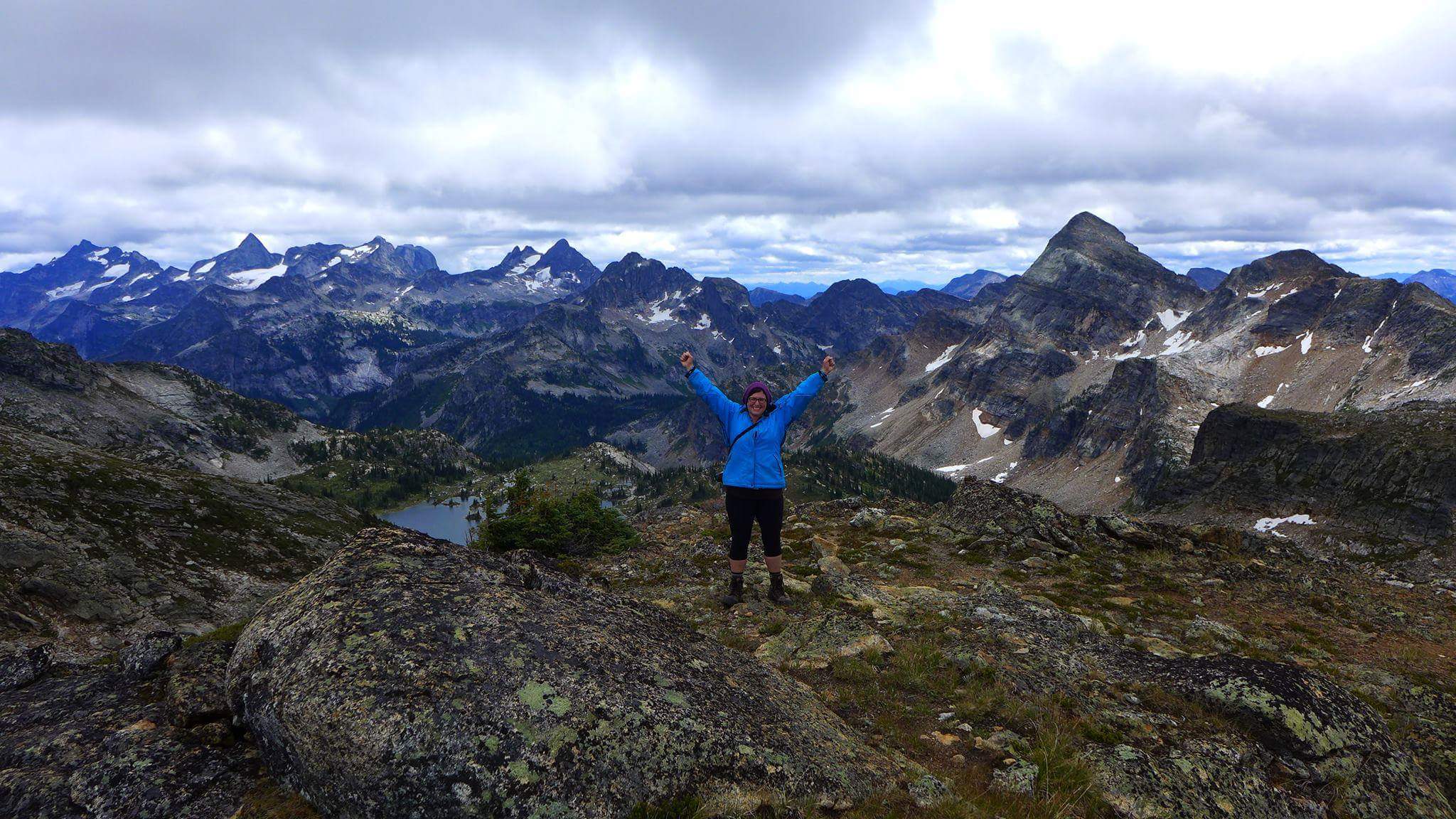
My interest in hiking was sparked in 2015 when living in Canada. A friend encouraged me to join her for a backcountry hike up to Gwillim Lakes, a remote spot in Valhalla Mountains a few hours from where I lived. I swallowed my nerves, borrowed some camping gear, and found myself clambering over boulders and crossing scree slopes as we climbed up into pristine wilderness. This might not seem like a huge deal to many people, but as a plus size person, it was a life changing moment; until that moment I’d though this kind of hiking to be impossible in my size 20 body.
Finding my pace

Returning back to the UK, I began exploring the countryside near to my home in Bristol. I bought a cheap waterproof jacket and some boots and I was soon a regular visitor to the Cotswolds and the Mendips, particularly enjoying walking along sections of the Cotswold Way National Trail. I walked alone – I didn’t have any friends that shared my growing interest in hiking and I was nervous that I was too slow to join a walking group.
In the summer of 2016 I headed to Pembrokeshire to spend some time writing in a beautiful spot just by the sea. When I headed back to Bristol a few days later, I’d very little writing to show for my time, but I had completed the section of the Pembrokeshire Coast Path National Trail from St David’s to Fishguard. I fell in love with the pattern of walking day after day, seeing the coastline stretch ahead of me and knowing I had nothing else to do other than walk.
Over the next few years I began to find people who walked at the same pace as me and I ticked off sections of the South West Coast Path National Trail, some on my own, some with others. As I got more ambitious with my walking, I started to feel the limit of the clothing I was wearing. I scoured shops both physical and online but there was simply no technical gear available in my size. I had a few pieces of entry level kit – a waterproof (that wasn’t particularly waterproof), and a few fleeces, but I relied on sport and gym clothing for my leggings and tops.
The long distance bug

During the winter of 2017-18 I decided to tackle the full length of my local National Trail, The Cotswold Way, breaking down the 102 miles into 8 sections as I walked from Chipping Camden towards Bath. I’d done short day walks in winter before, but I quickly realised my clothing wasn’t up to the colder weather and longer days on the hills. With nothing suitable available in the shops I learnt to make do, walking in wool tights under my leggings and carrying additional spare layers to counter my poor quality waterproof.
Despite my less-than-ideal clothing, it was a magical experience. The paths were largely empty, occasionally clustering with dog walkers around car parks and popular spots, and I often started early because of the shorter days, walking as the sun rose.
A really big bag

In June 2019 I set myself a bigger challenge, and headed to Norway to solo walk two weeks along the Gudbrandsdalsleden or St Olav’s Way, an obscure 643km pilgrimage route that runs from Oslo to Trondheim. I picked the middle section, spending the first week navigating a winding valley from Lillehammer to Dovre before traversing the Dovrefjell mountain range. For the first time I was wild camping along the way and my clothing challenge turned into a clothing crisis.
I had no lightweight, wicking or quick drying gear, instead packing leggings from the supermarket and tops from a high street retailer. I had found a cheap down jacket (the only one I could find in my size) and some men’s XXL waterproofs that fitted poorly and wet through in less than an hour of rain. After a lot of searching I found a sleeping bag that I could just fit in, but the snug fit meant it didn’t loft properly and I struggled with cold nights.
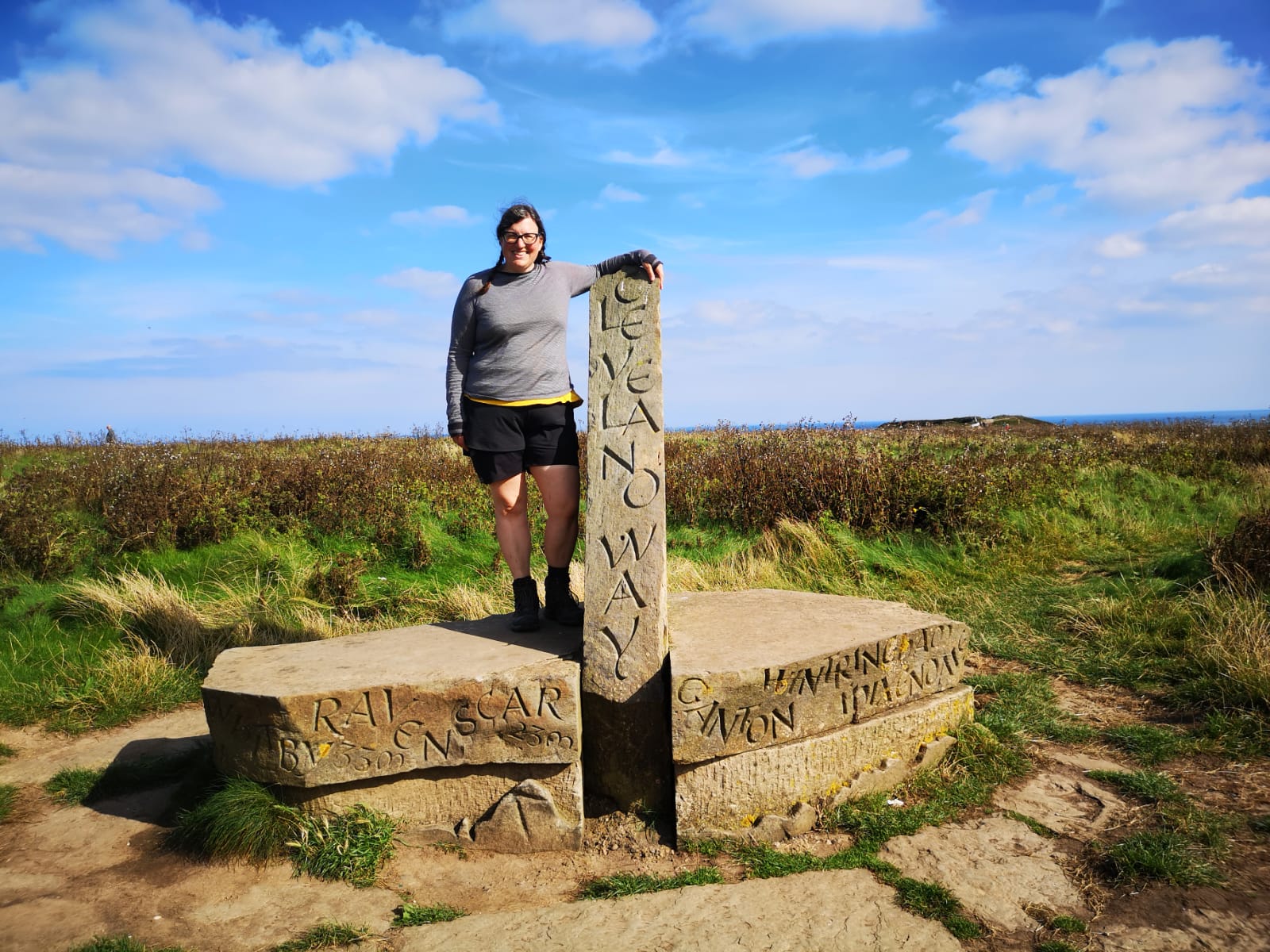
These challenges with kit didn’t stop me doing what turned out to be an amazing trip, but it did make it uncomfortable and sometimes stressful. My clothing was heavy and bulky and as a result my bag was huge. This was echoed when I walked my the Cleveland Way National Trail, with a friend a few years later – although we packed almost the same items, my bag was significantly larger and heavier than hers.
Braving the judgement
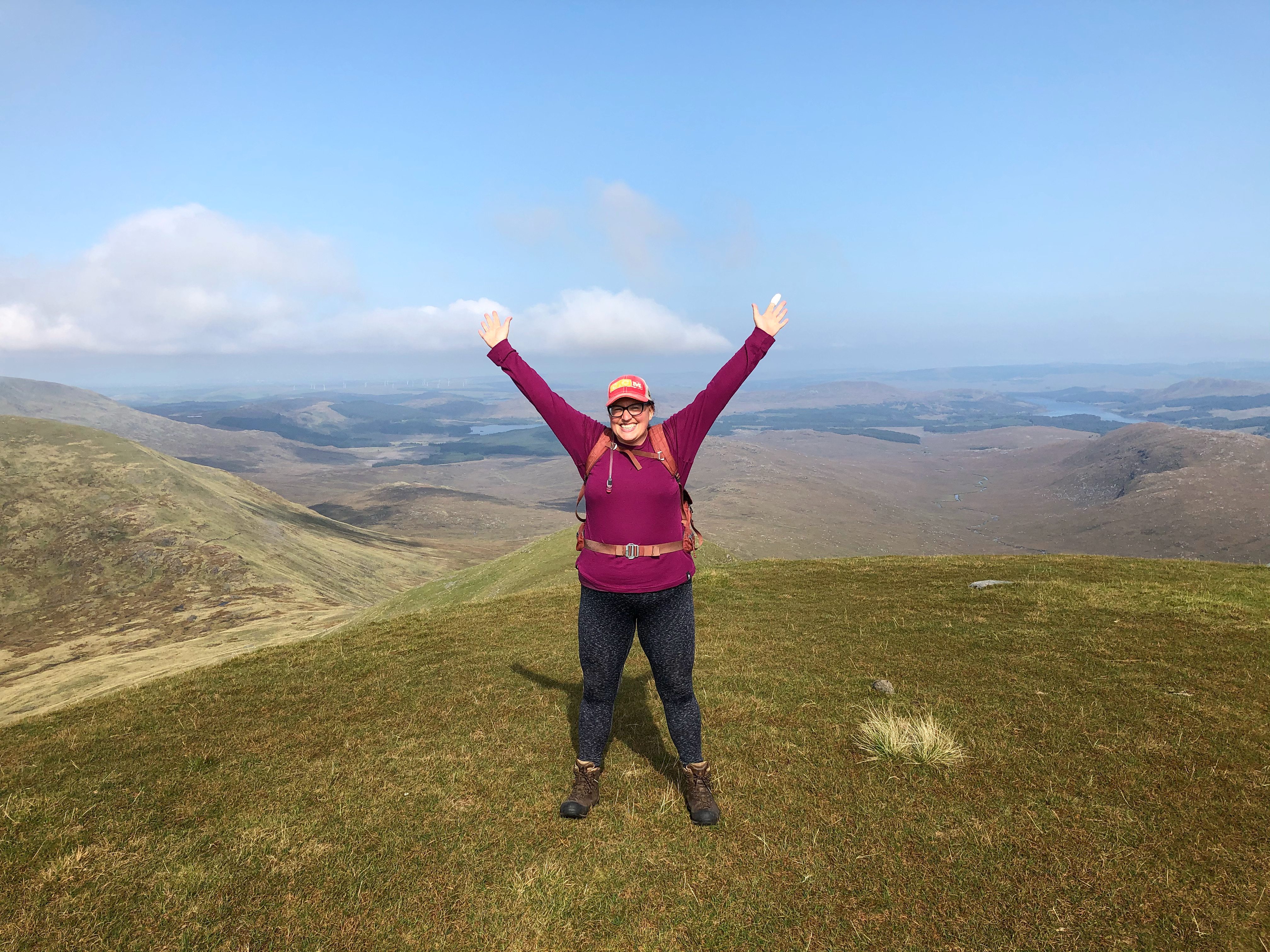
As I began tackling more challenging routes, I became used to people giving me strange glances or offering encouraging “Well done you!” or “You’re so inspiring!” comments. In September 2020 I headed to Merrick, the highest mountain in Southern Scotland, just off the route of the Southern Upland Way. At the trailhead a fellow hiker asked where I was headed, and I replied that I was climbing Merrick. He replied, incredulously, “Really?” as he openly looked me up and down in surprise that I was headed up the same hill as him. I may not have been the quickest and I may not have had fancy clothing, but I made it to the peak with a big smile on my face.
Fighting for change
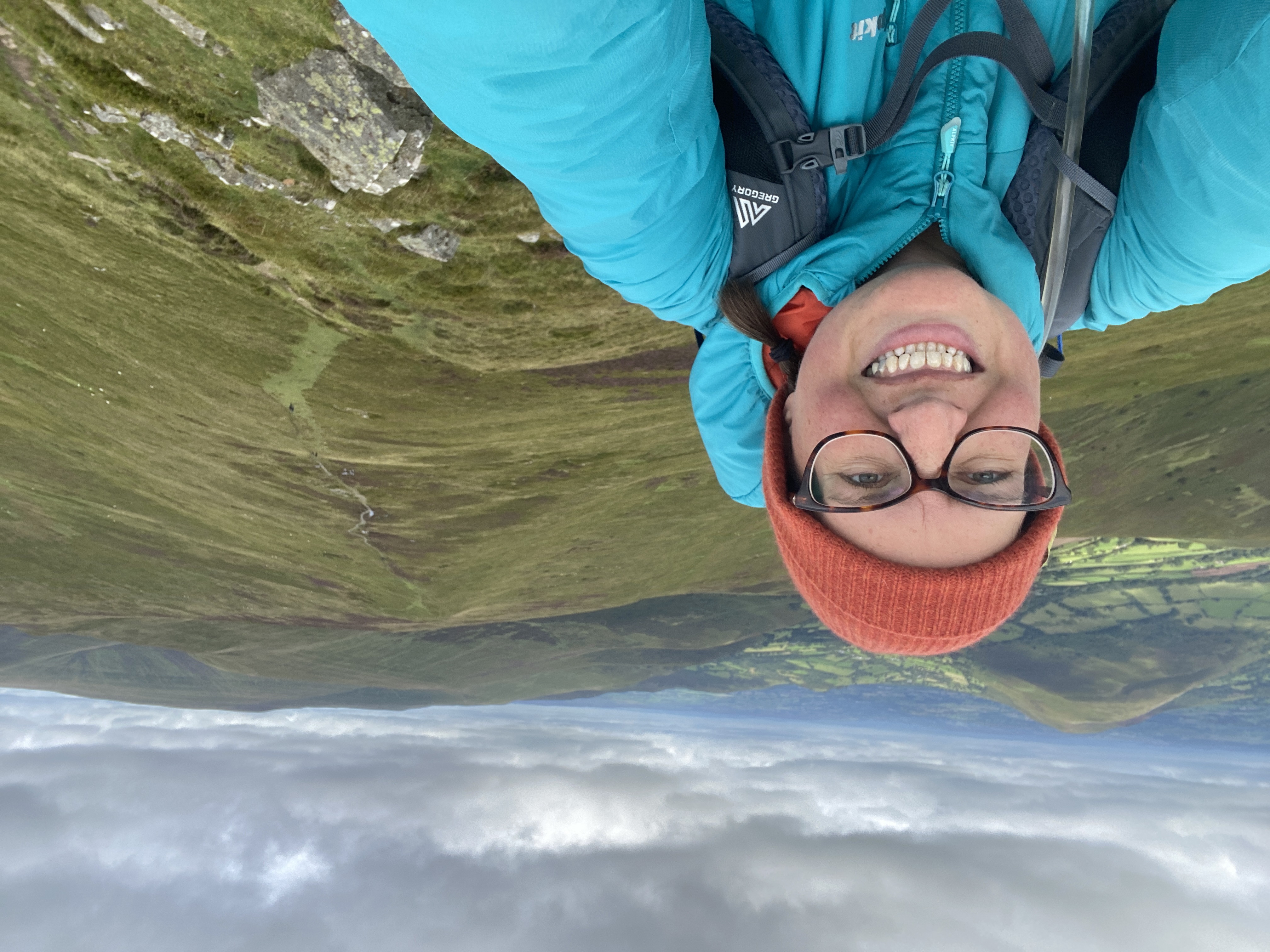
As my frustrations grew, I began being more vocal on social media about my challenges finding clothing and kit to fit my body. I met other plus size outdoor enthusiasts and inspired by progress being made in the US by groups such as Unlikely Hikers and Fat Girls Hiking, we decided to launch a campaign in the UK. Every Body Outdoors was born.
We were blown away by the response, and when we hit 1,000 Instagram followers in 48 hours, it quickly became apparent that we weren’t the only ones feeling frustrated. We began reaching out to brands, expressing the need for technical clothing and kit in larger sizes, better size charts and more representation of plus size bodies in the outdoors.
In the summer of 2022 I received my first technical waterproof jacket in a size 20, and as I finally began to have access to technical clothing, I instantly discovered how much more comfortable I was in the outdoors. On a particularly windy, cold and hilly hike on Offa’s Dyke National Trail, I wore a merino base layer and synthetic insulated jacket and because the clothes properly wicked my sweat away and were breathable, I didn’t have to keep taking layers on and off. I suddenly realised this was what other people had been experiencing for years.
Finding my community
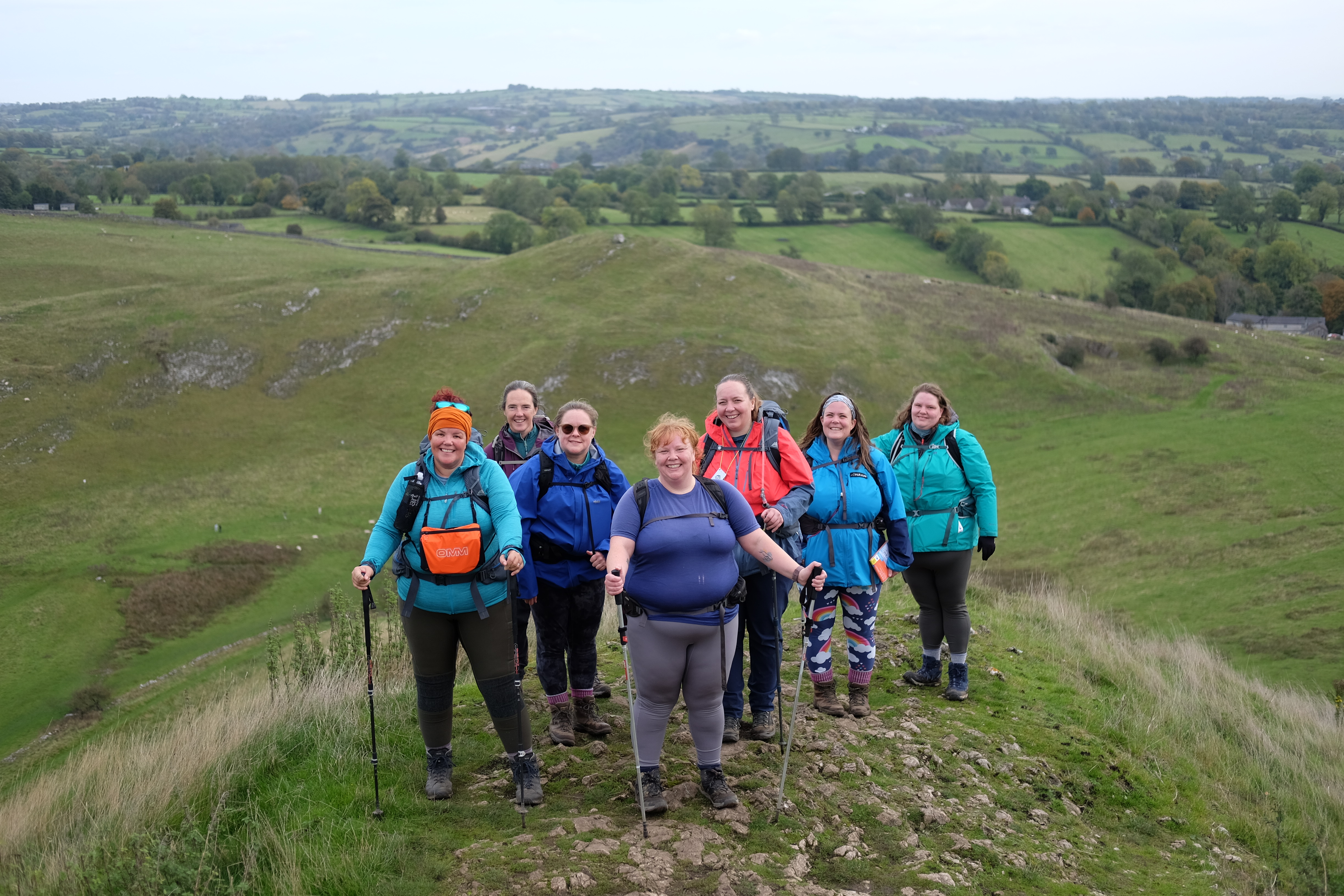
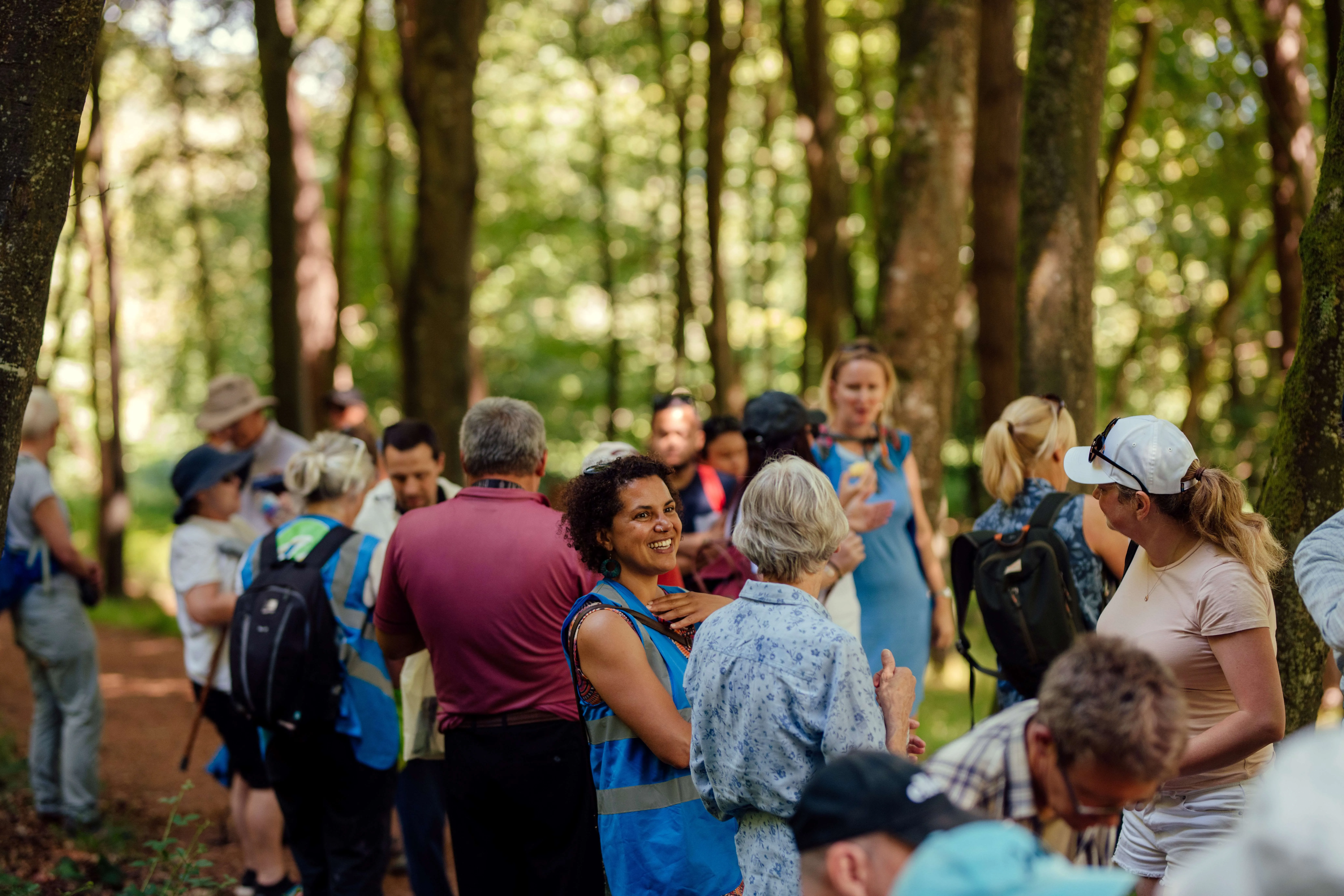
Through Every Body Outdoors, we started running hill skills and navigation courses specifically for plus size people, creating a space where people could learn new skills and gain confidence free of worries about pace, judgement or being left behind.
There was a kit barrier to attending these events though, with people turning up to weekend courses in Snowdonia with poor quality waterproofs as they couldn’t find anything in their size. We began approaching brands – both UK/European based and global brands - and over time we built up a kit pool of more than 35 waterproof jackets up to a women’s size 28/30, 15 pairs of waterproof trousers and newly released extended fit rucksacks.
The impact of this has been huge. I have witnessed people trying on a waterproof jacket that fits their body for the first time. As they wear them in the rain, they understand how appropriate clothing can help keep them warm, dry and safe in the outdoors. People venture out more, try new activities and gain confidence in themselves and their bodies.
Looking ahead
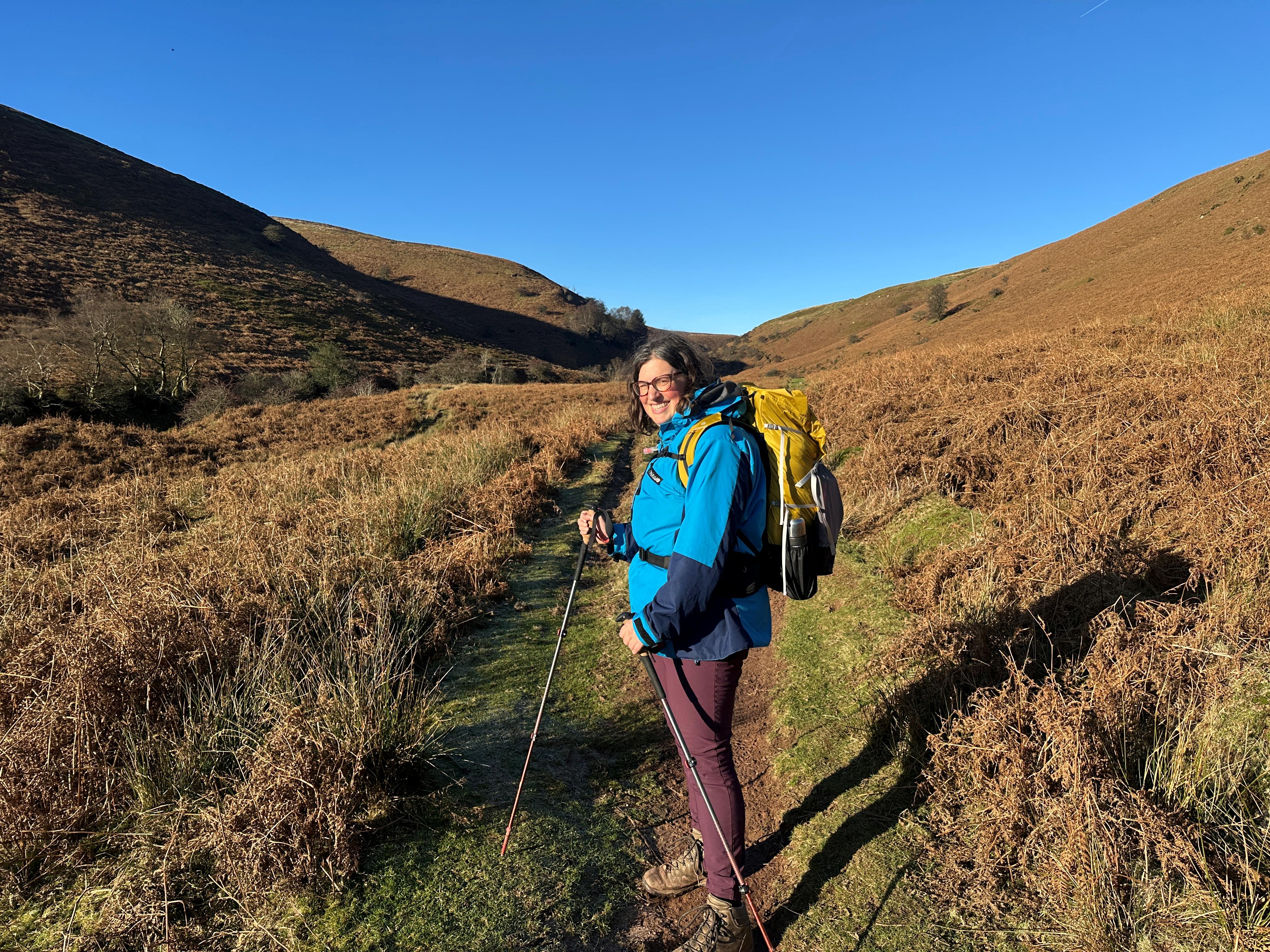
Our community has continued to grow over the last four years, branching out into climbing, swimming and cycling events. There has been some progress regarding kit, but so much more is needed as there is still very limited technical clothing available in a size 20, and almost nothing larger.
It's also worth noting that the clothing and kit barrier for women doesn’t just affect plus size people. We hear from women of all different shapes and sizes about their challenges finding kit that fits; from the impossibility of finding trousers if you have a large difference between your waist and hip measurements to shorts that aren’t sized for muscular thighs, rucksacks that don’t fit properly across larger busts to waterproof jackets made with less technical features than the men’s equivalent (one might think women don’t need a map pocket…). We need more development and design specific to women’s bodies, at all sizes.
Clothing and kit shouldn’t be a barrier to getting outdoors, not for any body.
Links:
Every Body Outdoors Website: https://www.everybodyoutdoors.co.uk/
Every Body Outdoors Instagram: http://instagram.com/every_body_outdoors
Every Body Outdoors Facebook: https://www.facebook.com/everybodyoutdoorsuk
Plus size clothing guide: https://www.everybodyoutdoors.co.uk/plus-size-outdoors-clothing
Ramblings with Clare Balding: https://www.bbc.co.uk/programmes/m002137q
More posts

VACANCY - Communications Officer (Coastal Wildbelt)
.jpg)
NTUK Summit 2026 - Innovation on the National Trails
_Abbie%20Merritt_lpr.jpg)
NTUK Procurement - Paths to Inclusion Evaluation Consultant
Signup to our newsletter